

Taiwan Obscura: Unearthing the Strange and Unusual
Taiwan’s glittering cities have grown up around a network of temples, where dragons crawl the walls, and incense smoke swirls in the air. At night markets, pork and fish sizzle on hotplates, alongside steaming bowls of soup. In the mountains, cherry blossoms bloom under the gaze of the tourist glare. High speed trains zoom across the island, and no evening is complete without a warm cup of bubble tea. Tourism in Taiwan is fun, but if you’re looking for something more, the strange and unusual underbelly, then come with me and take a peek behind the curtain, as we explore Taiwan Obscura.
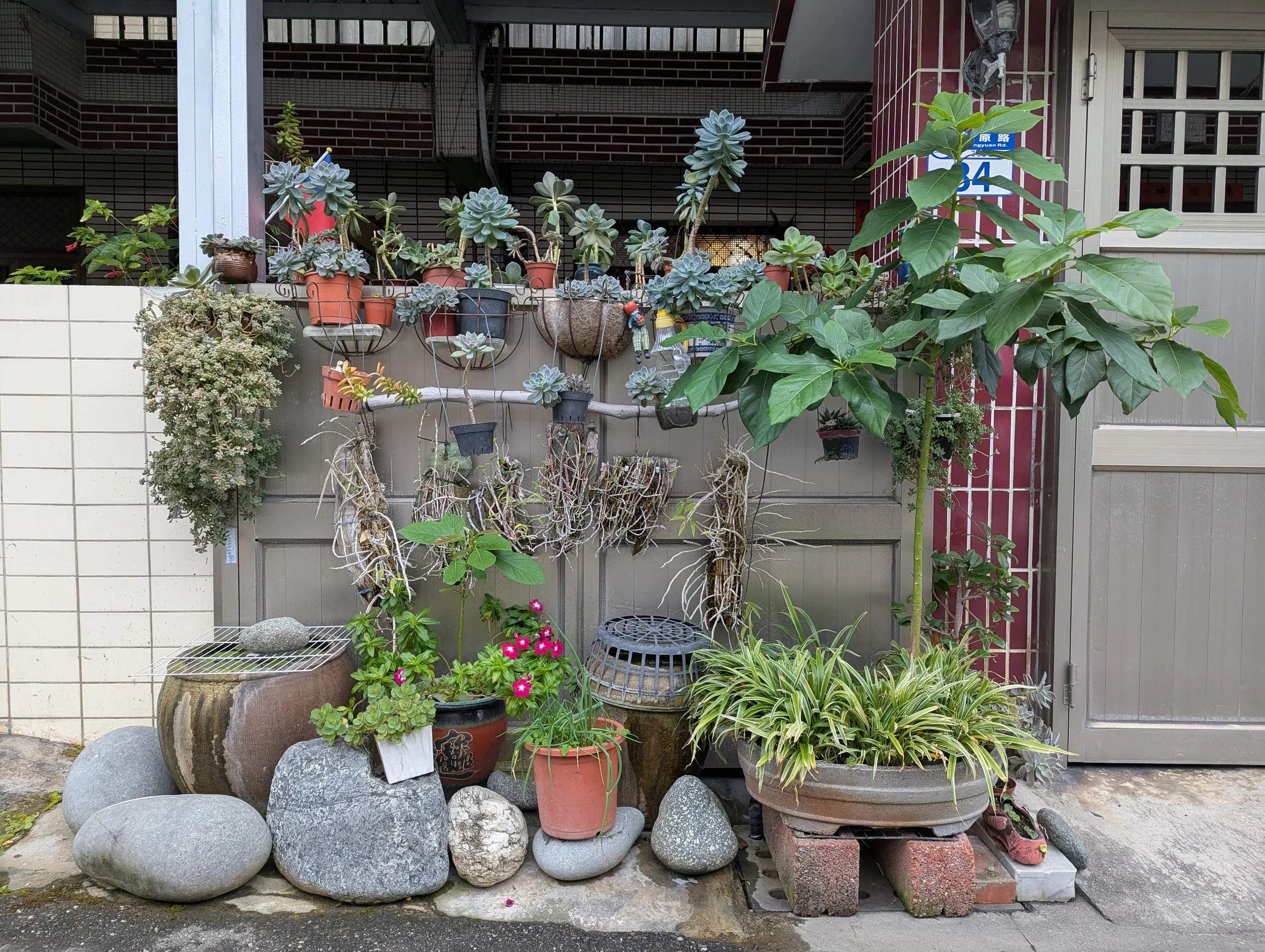
Household gardens in Khaosiung
Modern Toilet Restaurant: Taipei
Taiwan is not known for its shitty food. Indeed, night markets are a feature of every city and serve mouthwatering dishes inspired by both indigenous and Chinese cuisine. In the Datong district of Taipei, the Modern Toilet Restaurant proudly markets itself as the shittiest restaurant in Taiwan. With dishes served in miniature toilet bowls and the interior decked out like a cartoon bathroom, it does take a minute to get your head around the concept. The menu boasts classics such as kimchi puppy shit, whose shit? and stepping in shit while shopping. The verdict? Worth a visit for the experience alone, and the food is pretty good too!
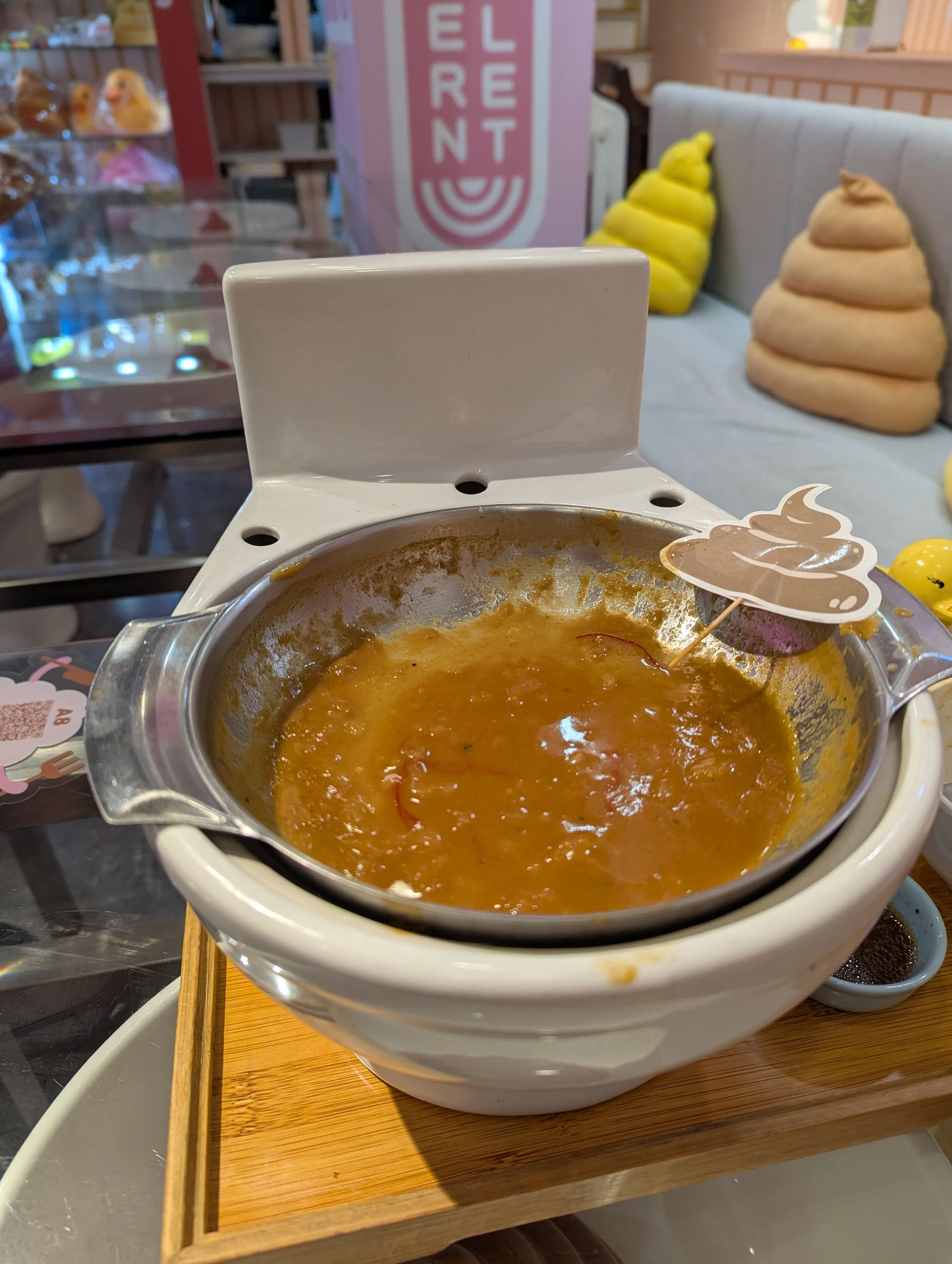
Ordering the curry at the Modern Toilet Restaurant
Neiwei Flea Market: Kaohsiung
One of many flea markets found throughout the country, the dusty aisles of Neiwei are home to a bounty of collectibles, knick-knacks, and pop culture paraphernalia. Open only on weekends, the market is a popular hangout for locals, while avid collectors visit from all across the country, searching for their next piece of treasure. Be warned that opening prices can be high for tourists, and you will need to draw on all your bartering skills if something catches your eye.
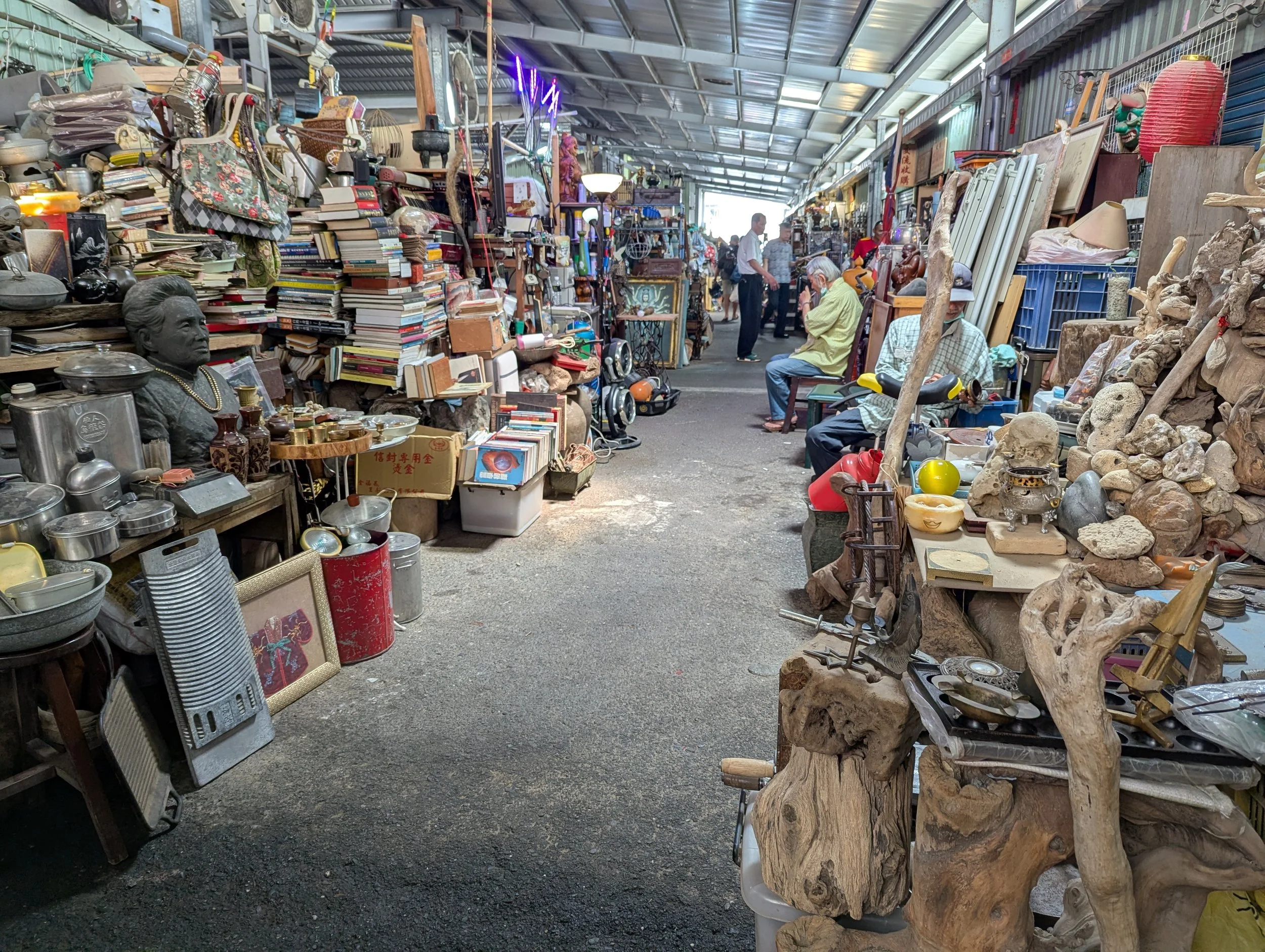
Exploring the Neiwei flea market
The Remains of the 13 Levels: Jiufen
This former copper and gold smelter was built in 1933 when Taiwan was under Japanese occupation. It closed forty years later, having exhausted the areas mineral deposits. The now empty building dominates the hillside with its 13 descending levels facing out towards the East China Sea. In the decades since its closure, the building has sat idle, sometimes being featured in music videos, and at other times visited by tourists. Evenings are the best time to visit, when the building glows bright in the night sky.
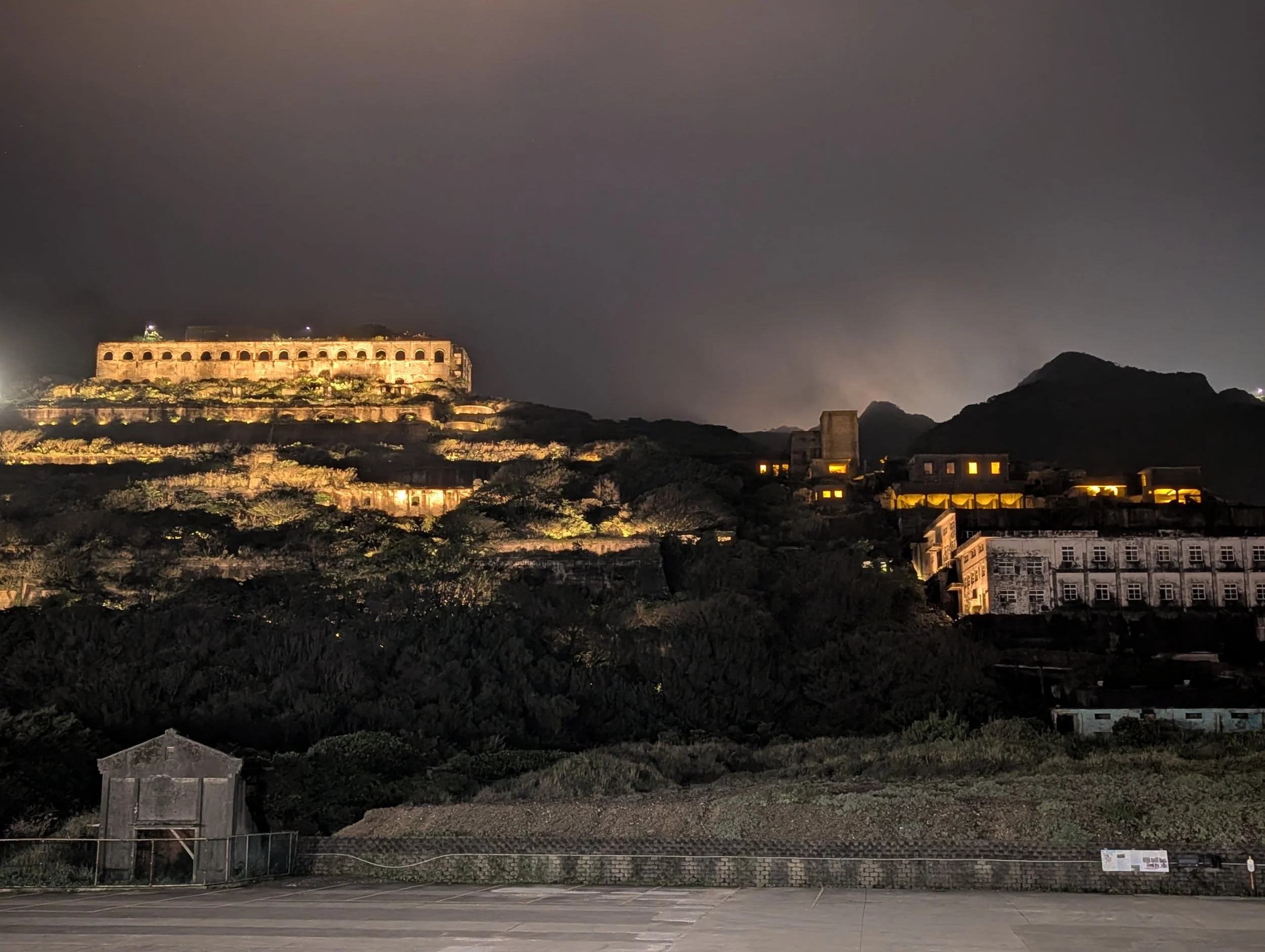
All That Remains
Leaning Mailboxes: Taipei
When Typhoon Soudelor struck in 2015 it caused an estimated $3.7 billion in damage. The repair bill would have been higher if not for the resilience of two mailboxes in Taipei. Battered by winds and debris, these two proud and plucky post-boxes stood firm, bending, but not breaking, under the ferocious winds. In the wake of Soudelor the mailboxes became an internet sensation, dubbed ‘Little Red’ and ‘Little Green.’ Due to their new found popularity the government decided against replacing them and they remain in use, famous and functional.
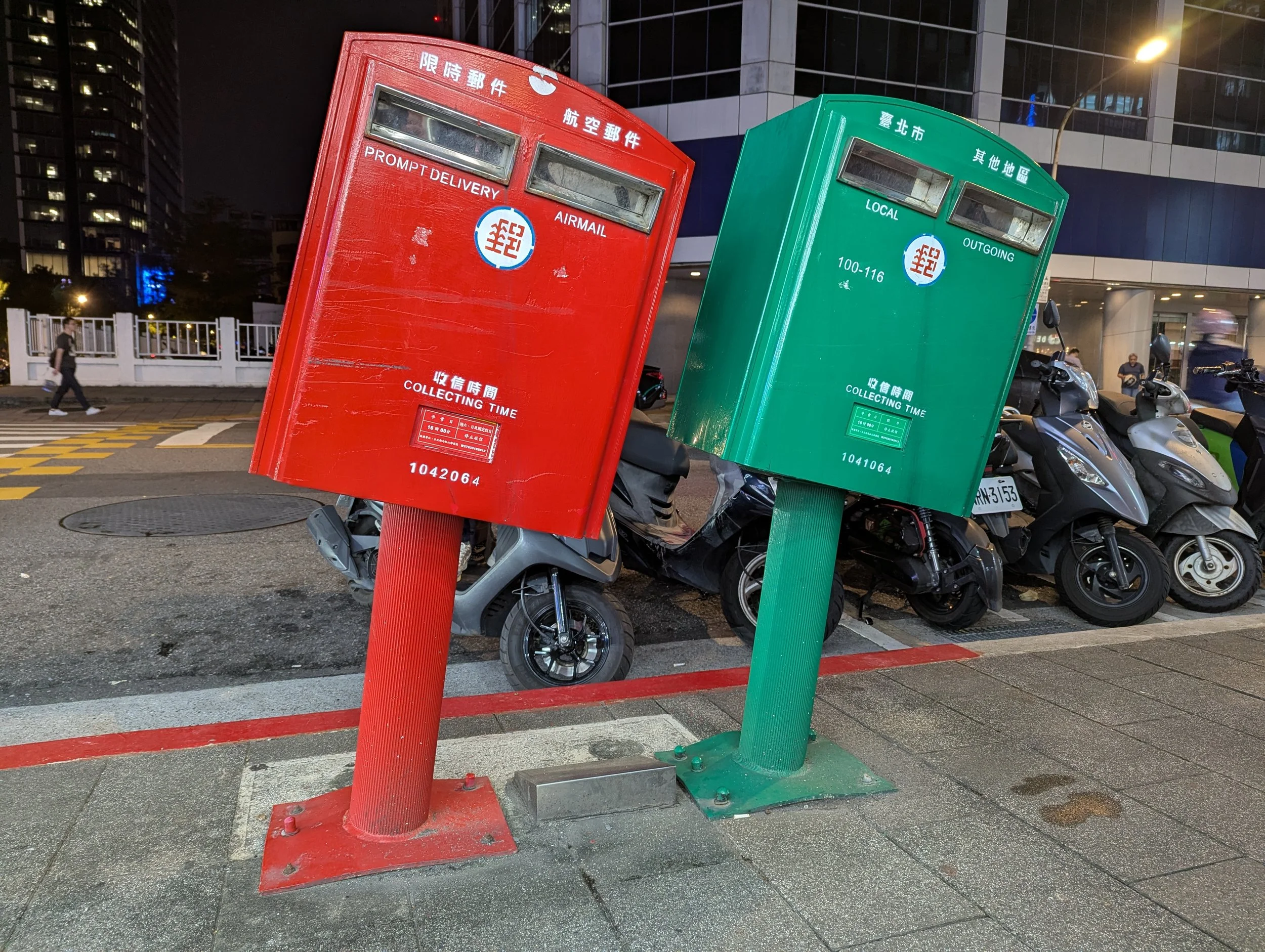
Little Red and Little Green
Lotus Lake Taoist Complex: Kaohsiung
A tourist attraction in its own right, the man made Lotus Lake in Kaohsiung is home to several unique attractions. The kitschy tiger and dragon pagoda reflect the fashion of their time, built in the late 1970s, while at the Spring and Autumn pavilions you can walk through a dragon’s mouth and body to enter. On a nearby hilltop there are remains of World War II bunkers, with a nice view of the surrounding area.
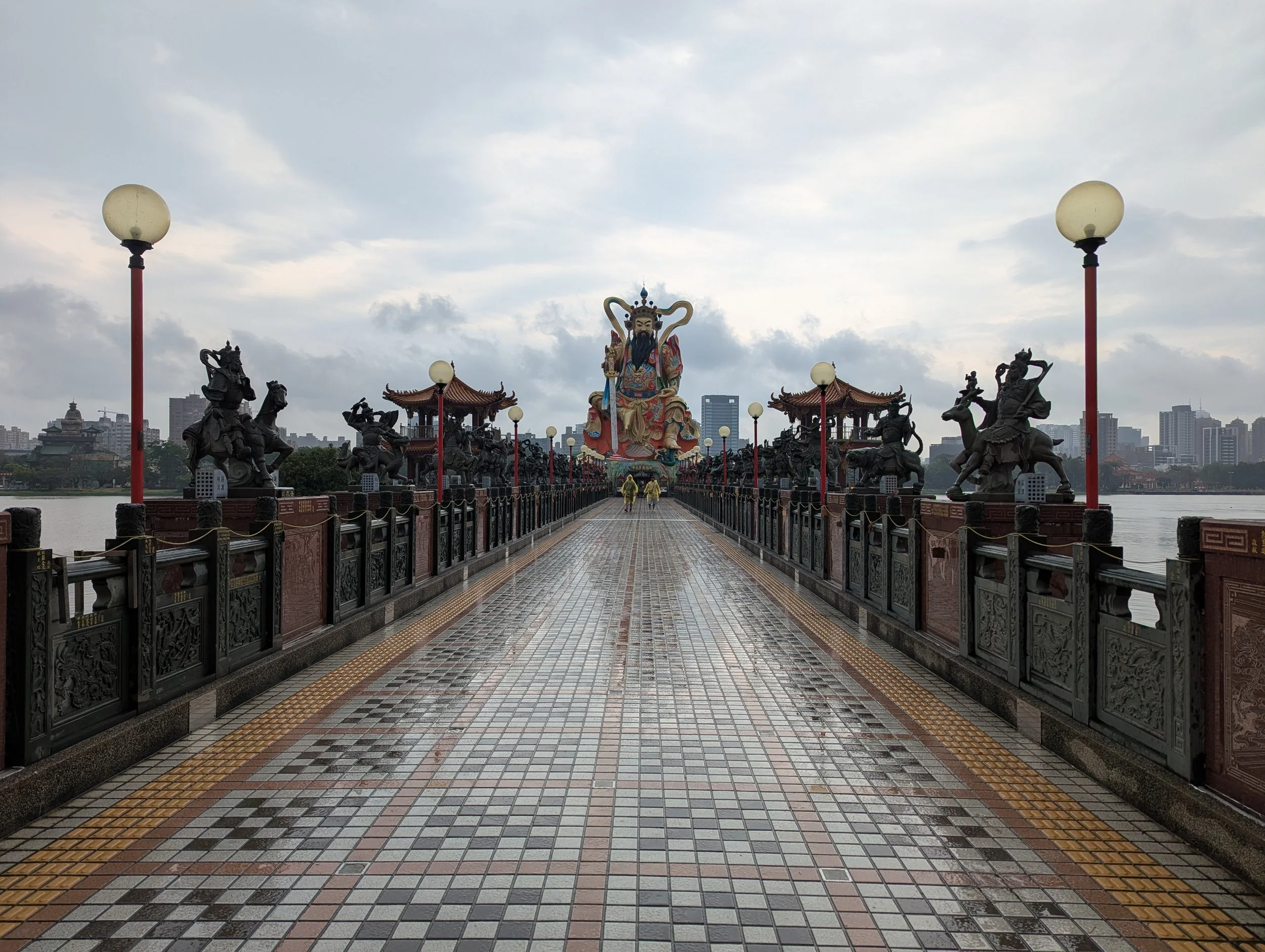
Exploring the temples at the Lotus Lake
Miniatures Museum of Taiwan: Taipei
The brainchild of husband and wife collectors Lin Wen-jen and Lin Chin-mei, the Miniatures Museum of Taiwan opened in 1997. The exhibition feature displays of children’s fairytales including Gulliver’s Travels and Alice in Wonderland, historical recreations from the Roman to British empires, and scenes from bygone eras in Japan and London. The detail in the exhibitions is incredible and the time and patience it would have taken to create them still blows my mind.
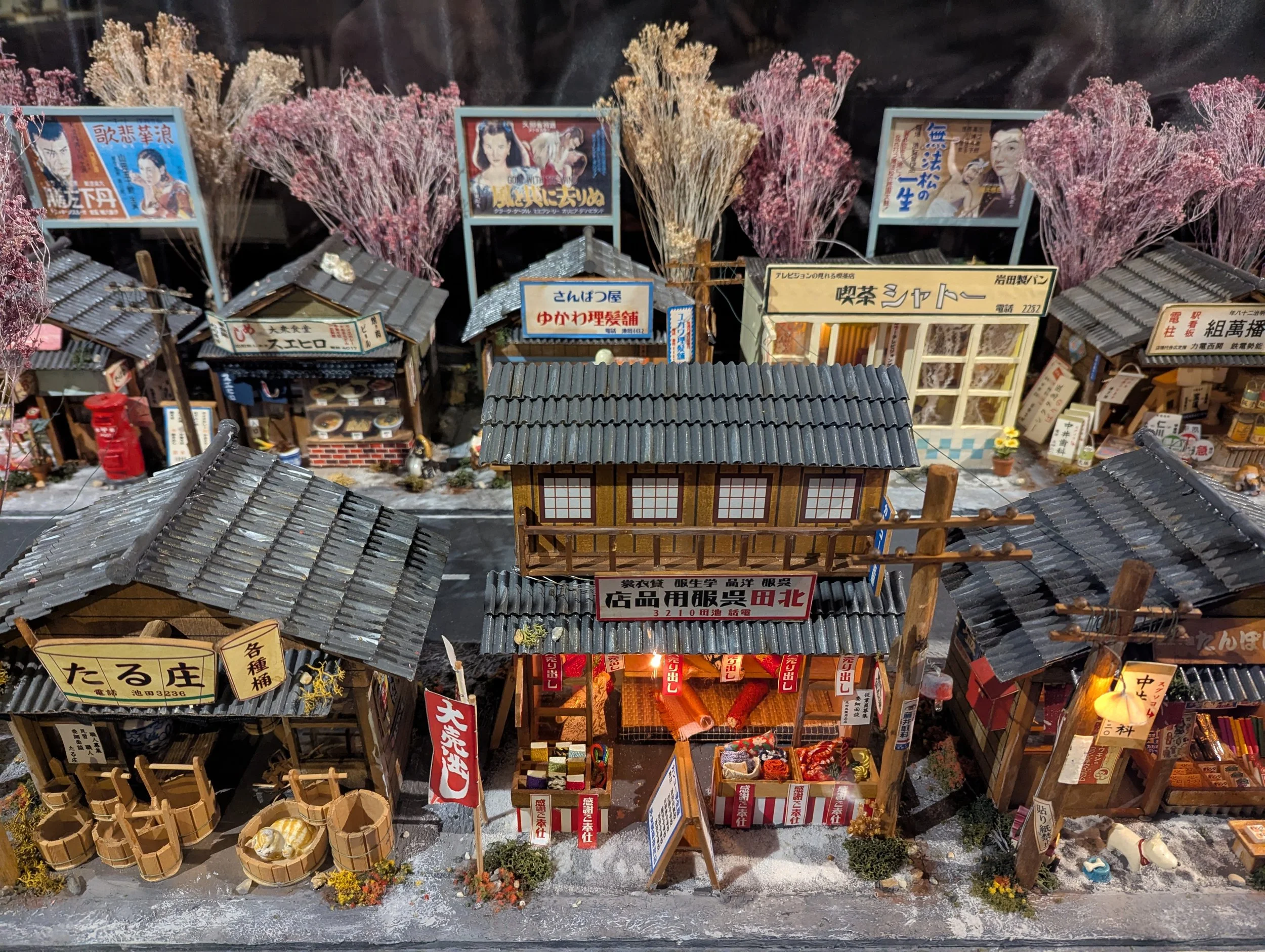
A street scene at the Miniatures Museum
18 Levels of Hell: Changhua
My favourite of all the ‘obscura’ attractions is the clunking, grinding, and screeching mechanical dioramas of the 18 Levels of Hell. Housed inside a temple in the city of Changhua, the 18 Levels of Hell recounts the tale of Taoist purgatory, where all manner of torture awaits lost souls. The displays are more than 40 years old, and have seen better days. Yet, their state of disrepair only adds to the creepiness, as their hinges creak and the audio trips throughout the performance. For those who dare enter, be prepared for some shocks and scares, and screams from the pits of hell!
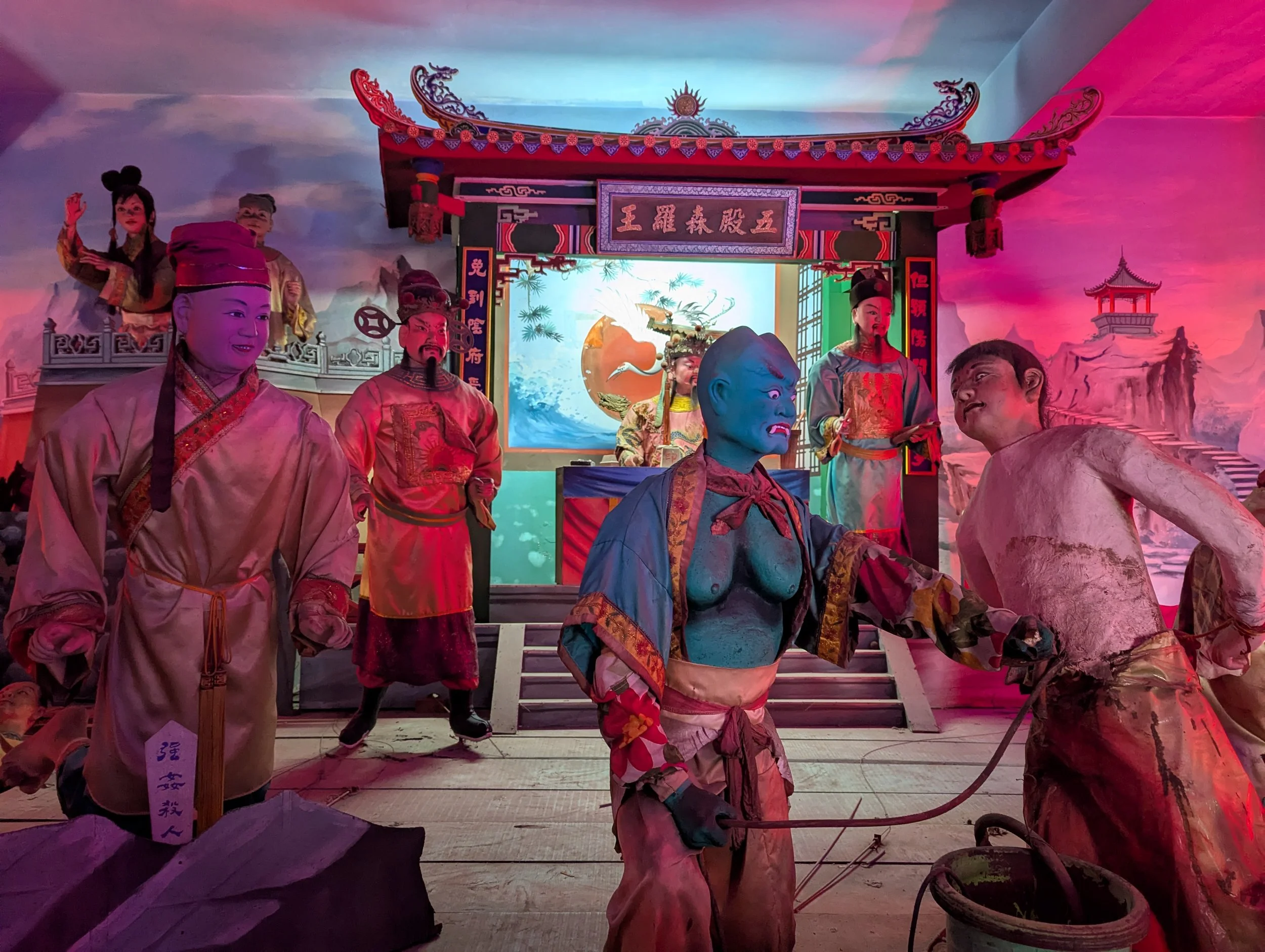
Inside the 18 Levels of Hell
Yellow Tiger Flag: Taipei
A symbol of resistance in Taiwan’s long history of foreign occupation, the Yellow Tiger Flag was created for the short lived Republic of Formosa. The brief, and unrecognised republic, was declared in 1895 following Japanese occupation. The Republic of Formosa lasted only five months, and the original flags, double sided to represent the tiger watching over the country day and night, were destroyed. A replica flag, created in 1909 by Japanese artist Takahashi Unei, was declared a national treasure.
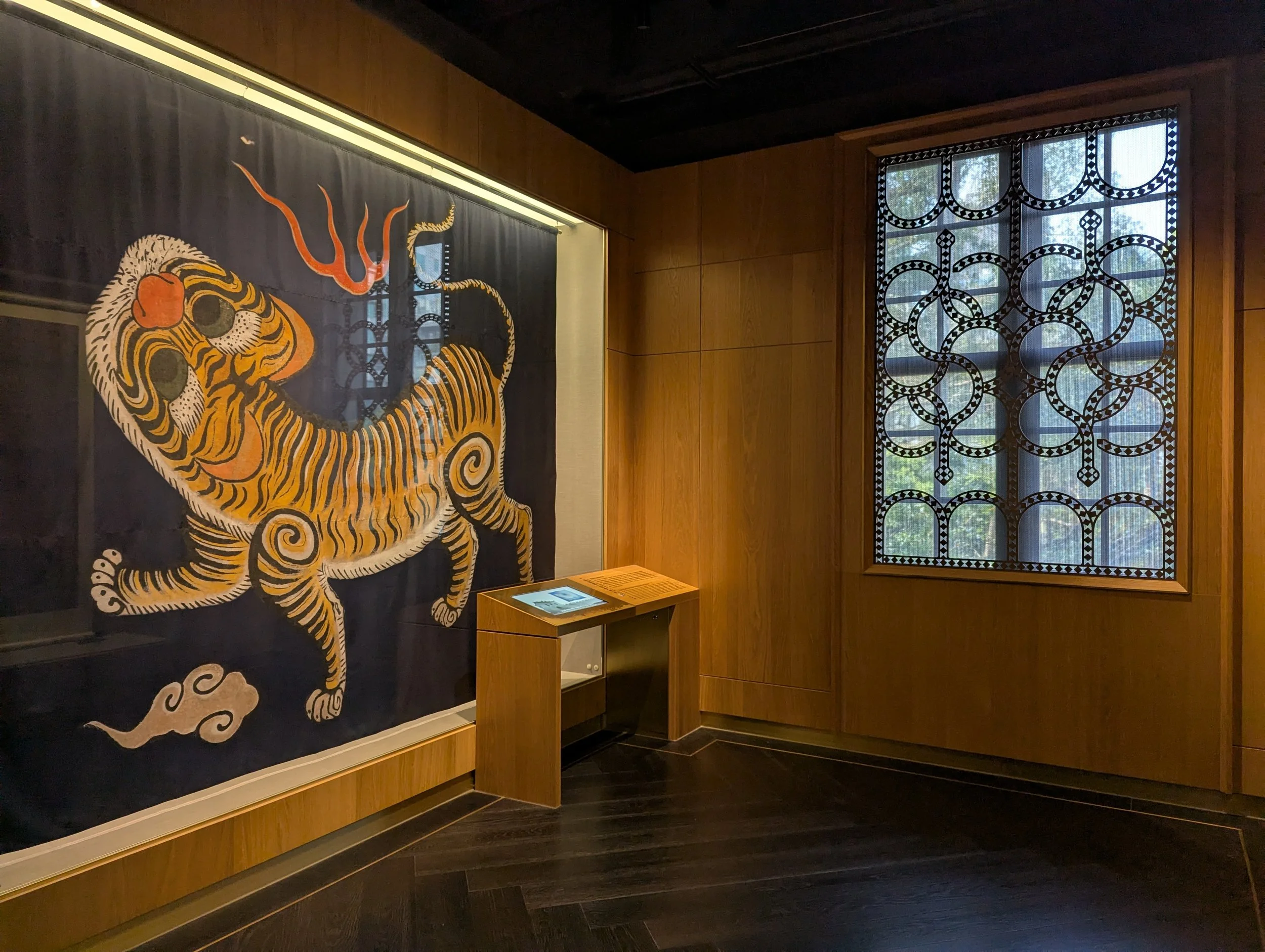
The Yellow Tiger Flag in Taipei
There are many more unusual attractions to be found throughout Taiwan. The pig ashtray pictured below was something I spotted on the street in Changhua, while in Kaohsiung many households boast carefully crafted urban gardens. Also in Kaohsiung is a pop culture themed coffee shop, and Taiwan’s strong indigenous heritage is best explored in the mountains surrounding Kaohsiung district including a bridge inspired by the body of a butterfly. For those chasing the strange and unusual in Taiwan, there is much more out there waiting to be discovered.
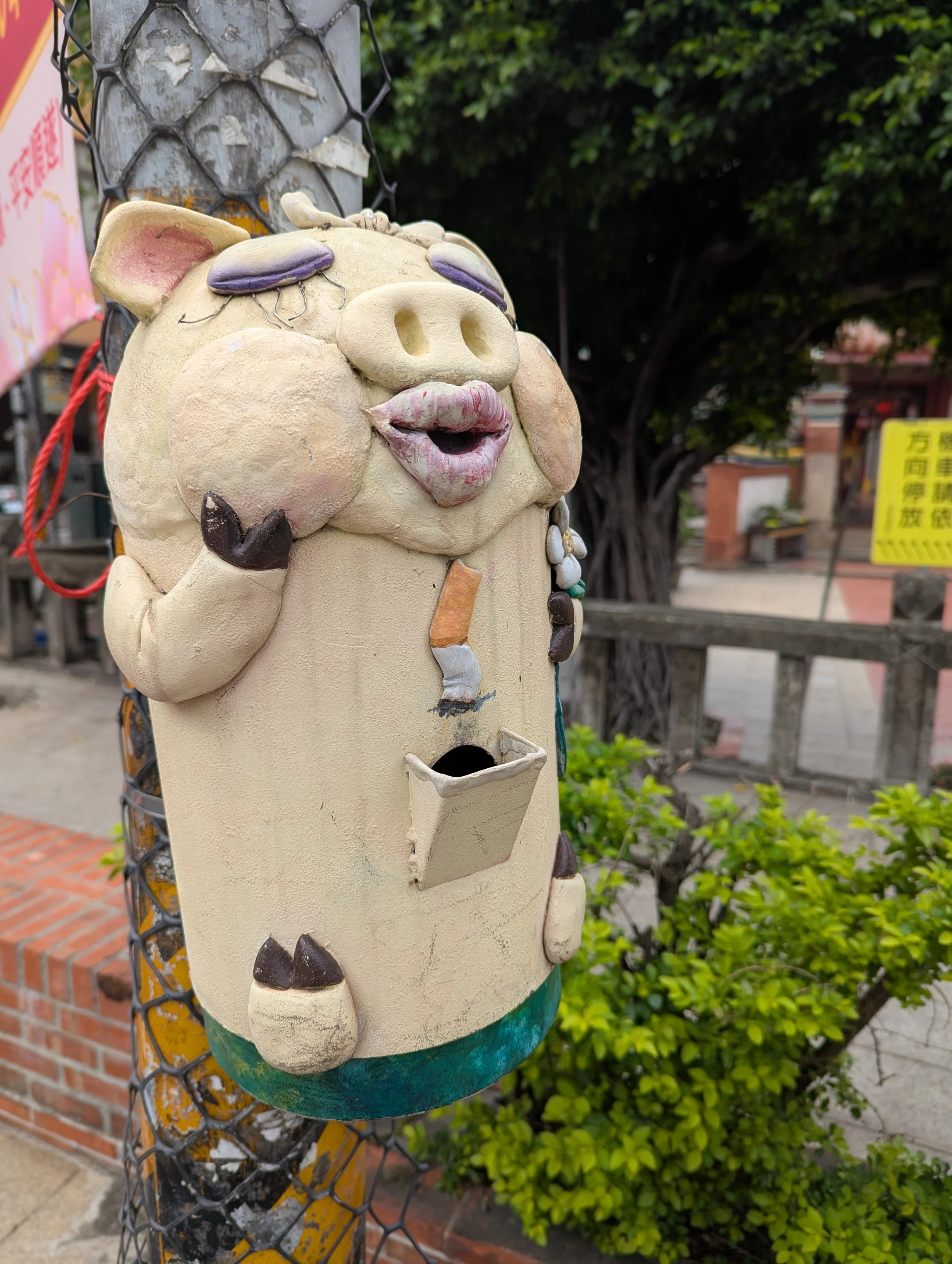
This little piggy is an ashtray
If you enjoyed this article and would like to support travelonastustring, you can ‘buy me a coffee’ or donate directly via PayPal. Any donation, no matter how large or small, is appreciated and goes towards the running of my site.
To read more of my work visit the ‘publications’ tab, which includes a link to my book ‘Everything All of the Time,’ available on BookBaby or Amazon.