
The 10 best free and cheap things to do in Mombasa
In the heart of the Swahili Coast, Mombasa is a humid, sweltering, condensed city of over 1.5 million people. The second largest city in Kenya, Mombasa has a fascinating history, and at various times has been ruled by the Omanis, Portuguese, and British, as well as being a major trading hub for the region. Mombasa’s history has influenced the language, the cuisine, and is evident in the names and faces of people who call this place home. For tourists, Mombasa offers a different experience and change of pace from the dusty plains of the Maasai Mara and Lake Naivasha, and there is much to explore.
Embrace the Chaos
Mombasa city is located on an island only 5.3 square kilometres in size, while the surrounding county spreads into areas including Nyali, Bamburi, and Shanzu. As one of the most densely populated cities in Kenya, Mombasa can be frenetic and chaotic. It is this chaos which gives Mombasa such character. Despite the heat, city streets and marketplaces are always busy with crowds and awash with colour. Matatus are pimped like nowhere else, sprayed with the images of rappers, adorned with spoilers, and thumping with bass heavy sound systems. Meanwhile, tuk-tuks chug along the streets, as motorbikes zoom past. Riding in any of these is a fun experience, and a must when visiting Mombasa.
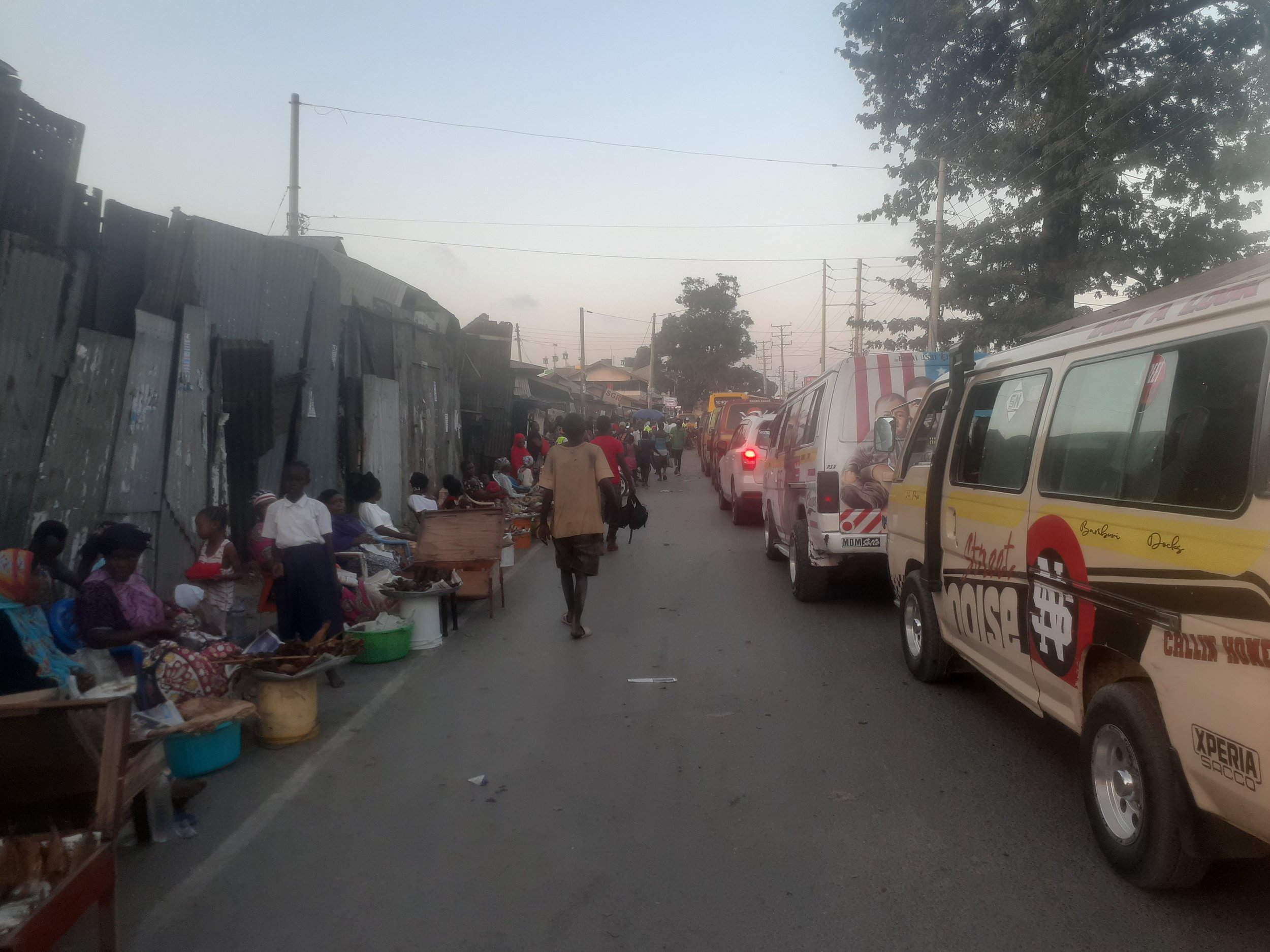
The busy streets of Mombasa
Wander the Beaches of Bamburi & Nyali
Bamburi and Nyali are the two most popular beaches in Mombasa. The crowds at the beaches are an eclectic bunch of characters, from everyday Kenyans and ganja smoking touts, to disgusting old European sex tourists and kite surfers. Yes, there is something for everyone at the beaches of Mombasa. Cameleers parade the sands of Bamburi and Nyali, offering rides along the shoreline, or you can simply sit under a palm tree and read a book.
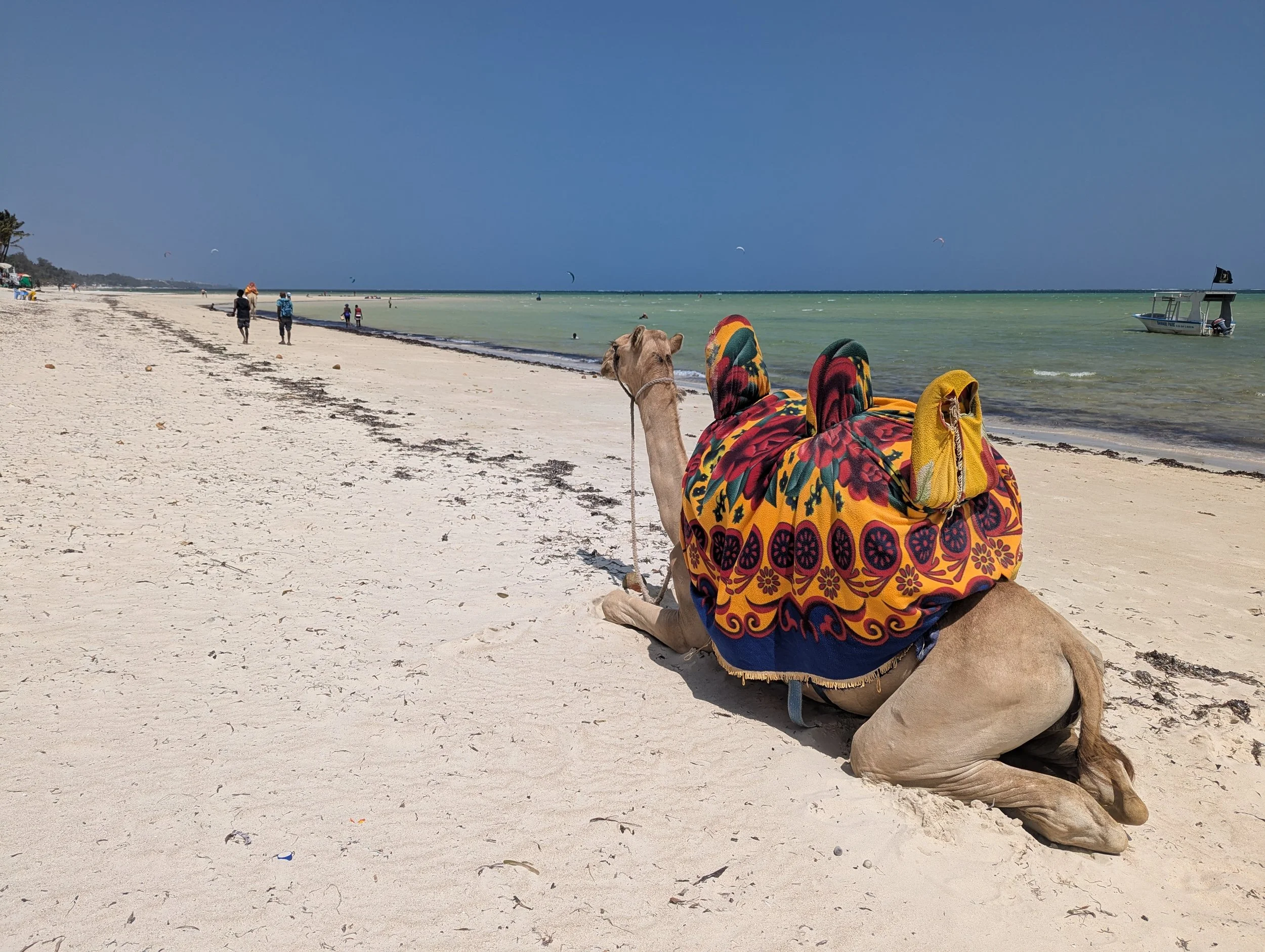
Bamburi beach, Mombasa
Explore Fort Jesus and Old Town
Built by the Portuguese in the late 16th century, Fort Jesus is the most popular site in Mombasa. It is the only UNESCO World Heritage Site in the city, being added to the register in 2011. Surrounding Fort Jesus is Mombasa Old Town, a labyrinth of laneways and alleyways in a mix of Arab, Swahili and British architectural styles. The area is best explored on foot where you can soak in the history, tastes, and smells of old and new Mombasa.
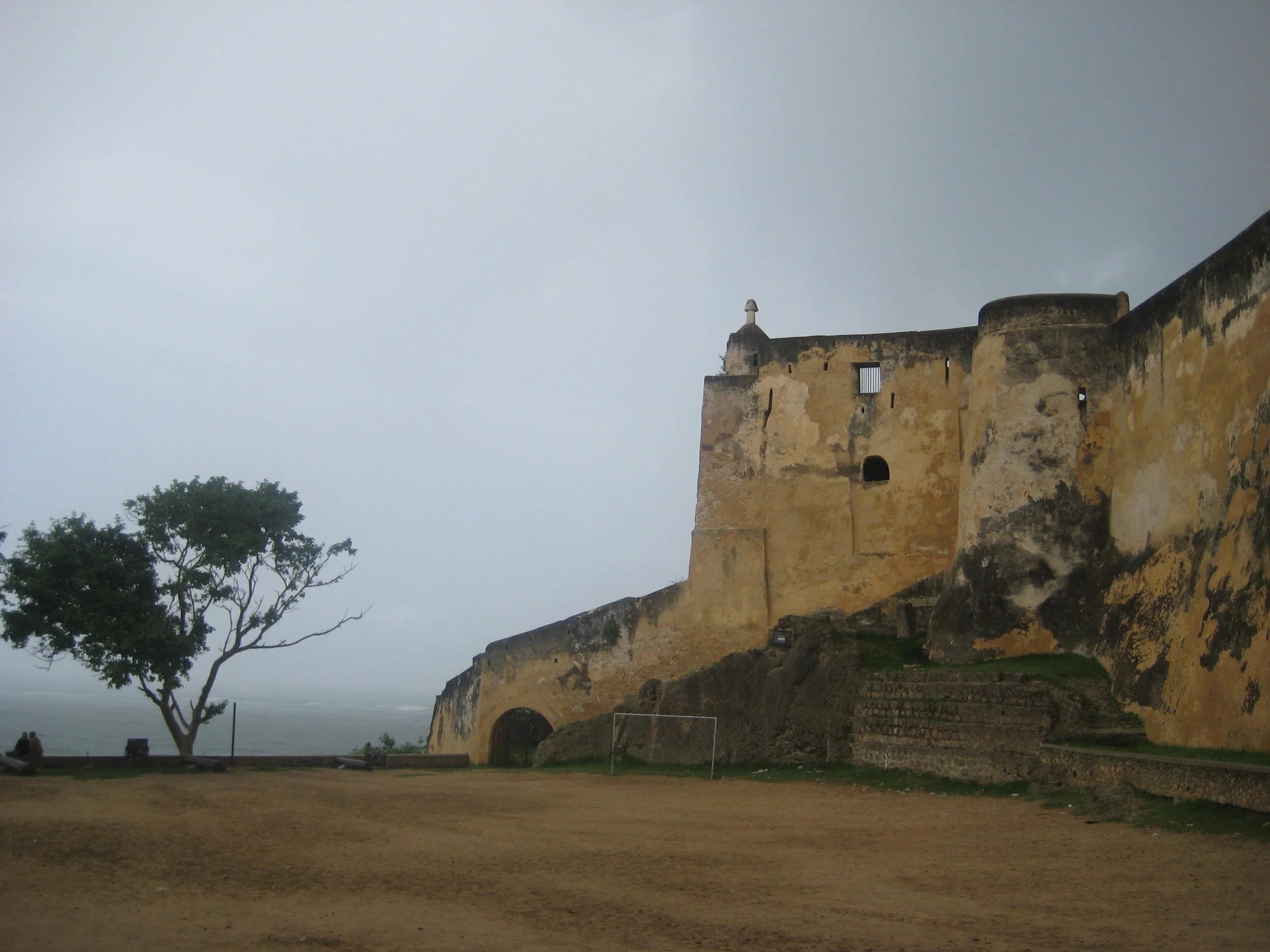
The imposing Fort Jesus
Visit the Giant Elephant Tusks
A short walk from Fort Jesus is Pembe za Ndovu, The Mombasa Tusks. The elephant tusk archways were constructed to commemorate the visit of Queen Elizabeth II in 1952, a decade before Kenya gained independence, and only months before the Mau Mau rebellion intensified. The original structure was only one set of wooden tusks, later upgraded to a pair of aluminium tusks in the shape of an M. Next to Pembe za Ndovu is Uhuru Gardens, a small park with trees full of fruit bats, a concrete map of Africa and lots of men sitting around not doing much at all.
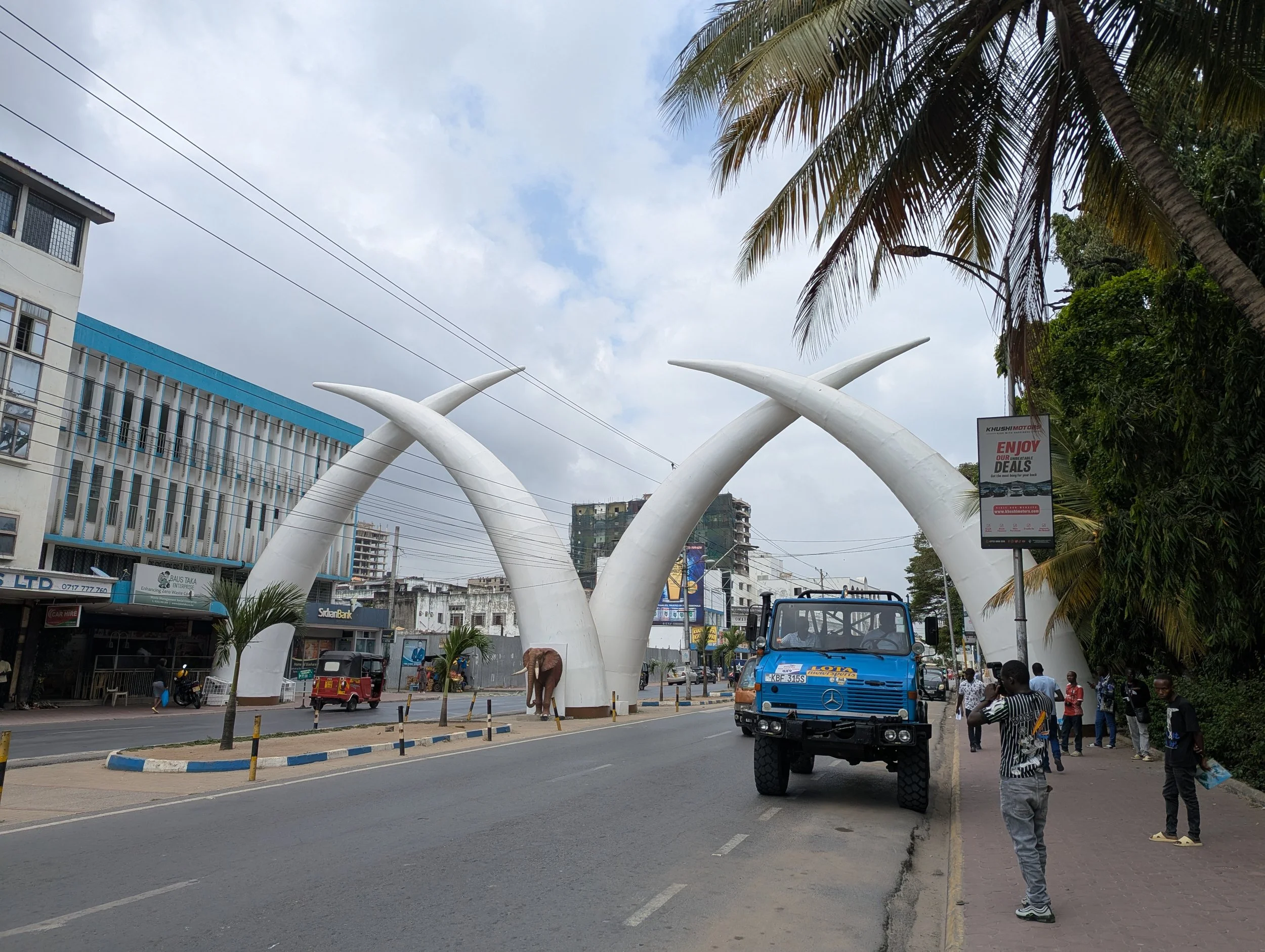
The ‘M’ tusks in Mombasa
Explore Mombasa’s Holy Sites
Centuries of alternating rulers, and visits from traders near and far, have left their mark on Mombasa in many ways. One of them is the number of Holy Sites found throughout the city. While today Mombasa is a Muslim majority city and mosques are plentiful, there remain many churches and Hindu temples scattered throughout the city. These sites make for a good refuge from the unrelenting heat and hubbub of the city, a quiet refuge to relax for a few moments, and another good free attraction.
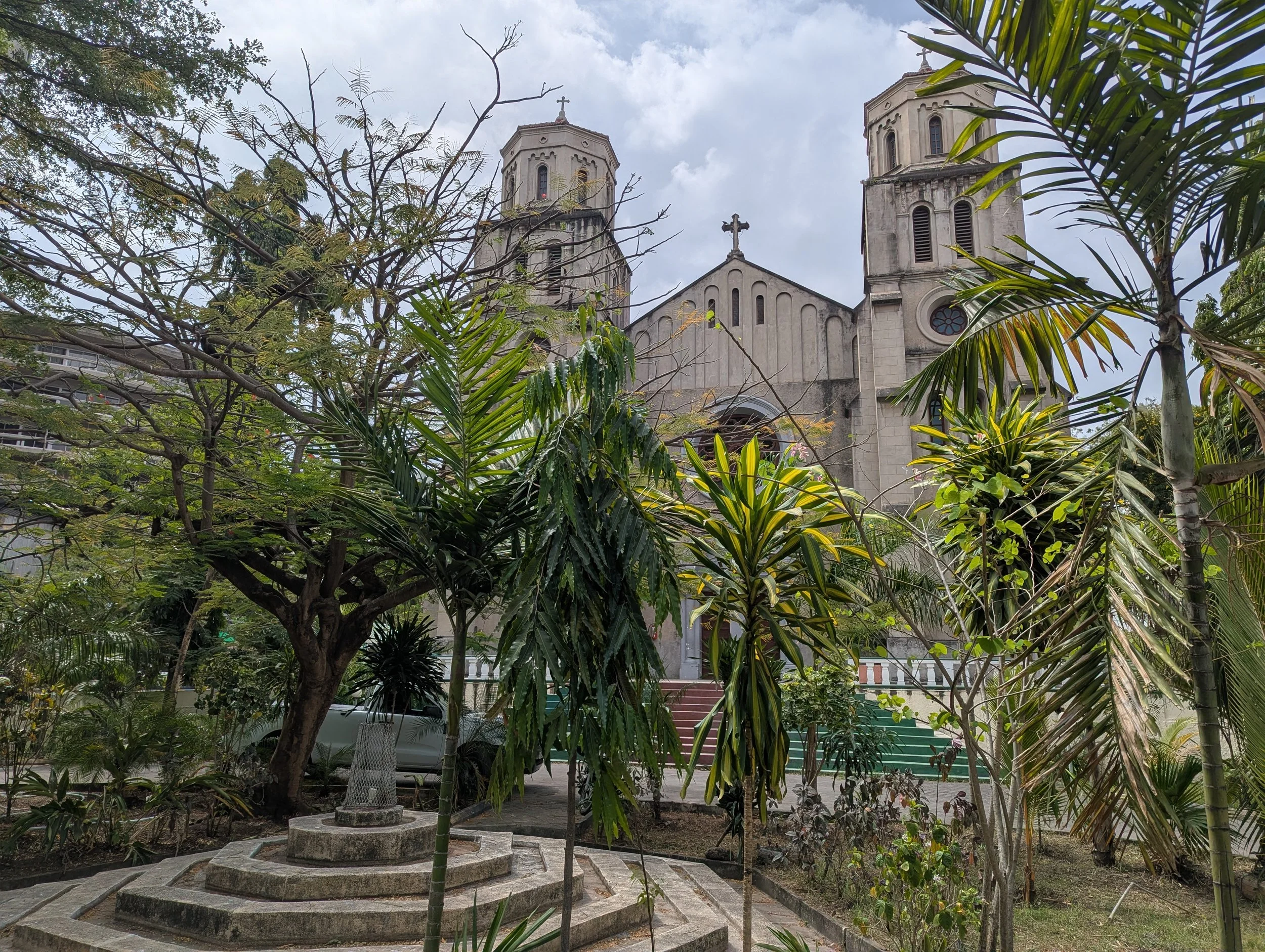
The Holy Ghost Cathedral
Lunch at Mackinnon Market
The Mackinnon Market in Mombasa’s Old Town is a small but intense market selling spices, honey, tea and coffee, fresh produce, and handicrafts. The market was built by the British in 1914 (look out for the date stamp) and is surrounded by second hand clothes stalls and butcheries - which are not for the faint hearted. Expect hard sales pitches from the stallholders at Mackinnon Market, and bargain hard if you want to buy anything. In the laneways behind Mackinnon Market are informal food stalls, selling an assortment of local dishes including pilau, fish, chapati, and mango juice. This is the cheapest, and best, place to eat in Mombasa.
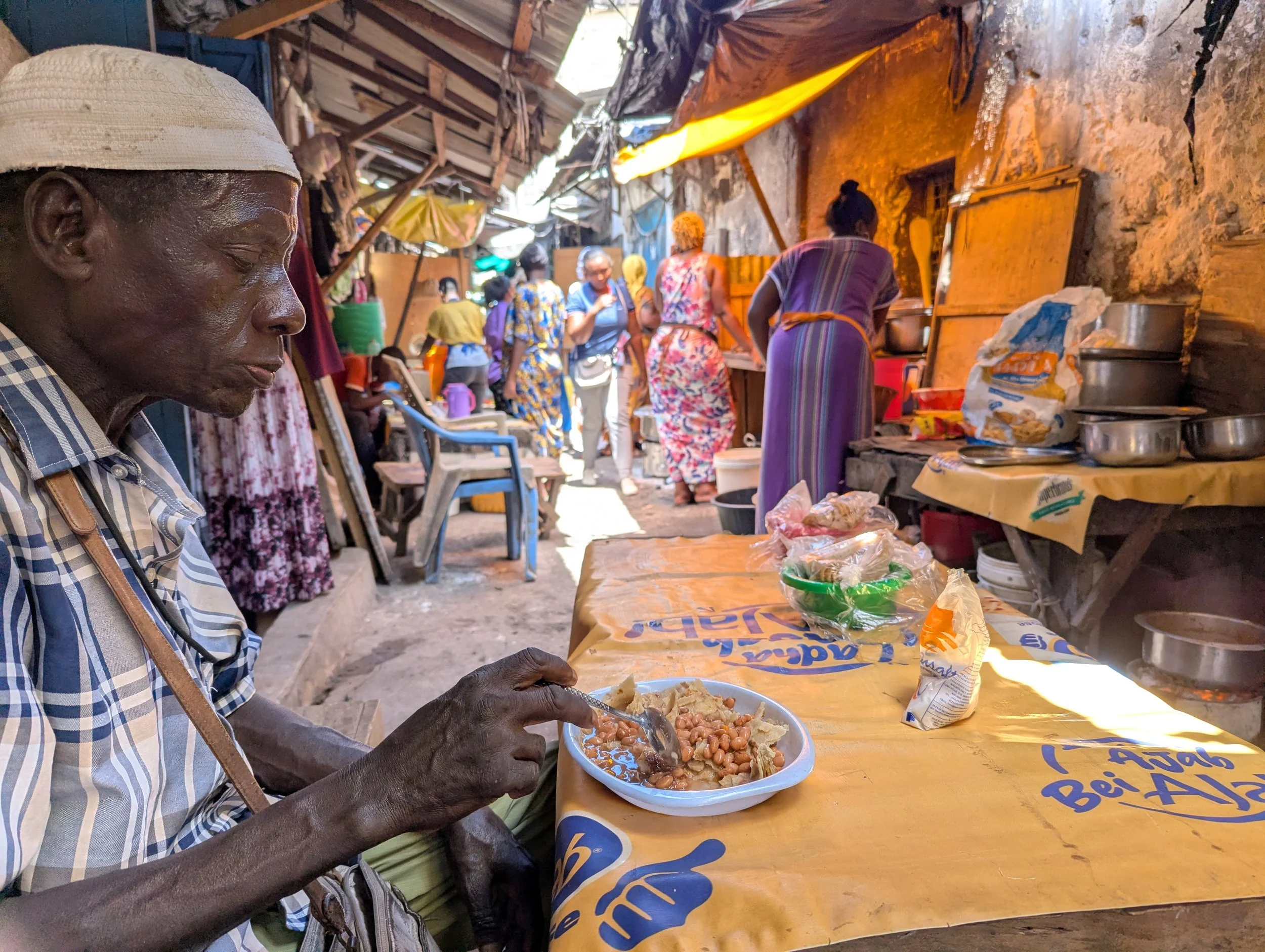
Dining in, at Mackinnon Market
Explore Caves and Ruins at Mtwapa Beach
In the neighbouring county of Kilifi, Mtwapa is a nice half-day trip from Mombasa. Copacabana Beach has an assortment of beach shack restaurants and is a quiet, peaceful inlet. When the tide is out it is possible to walk around the shoreline to the ruins of the Juma la Mtwana, a 14th century stone mosque. Along the way there are many caves to explore, some of which are home to casts of crabs. The area can feel a little dodgy at times and there are lots of concealed spots, so it’s best to walk with someone.
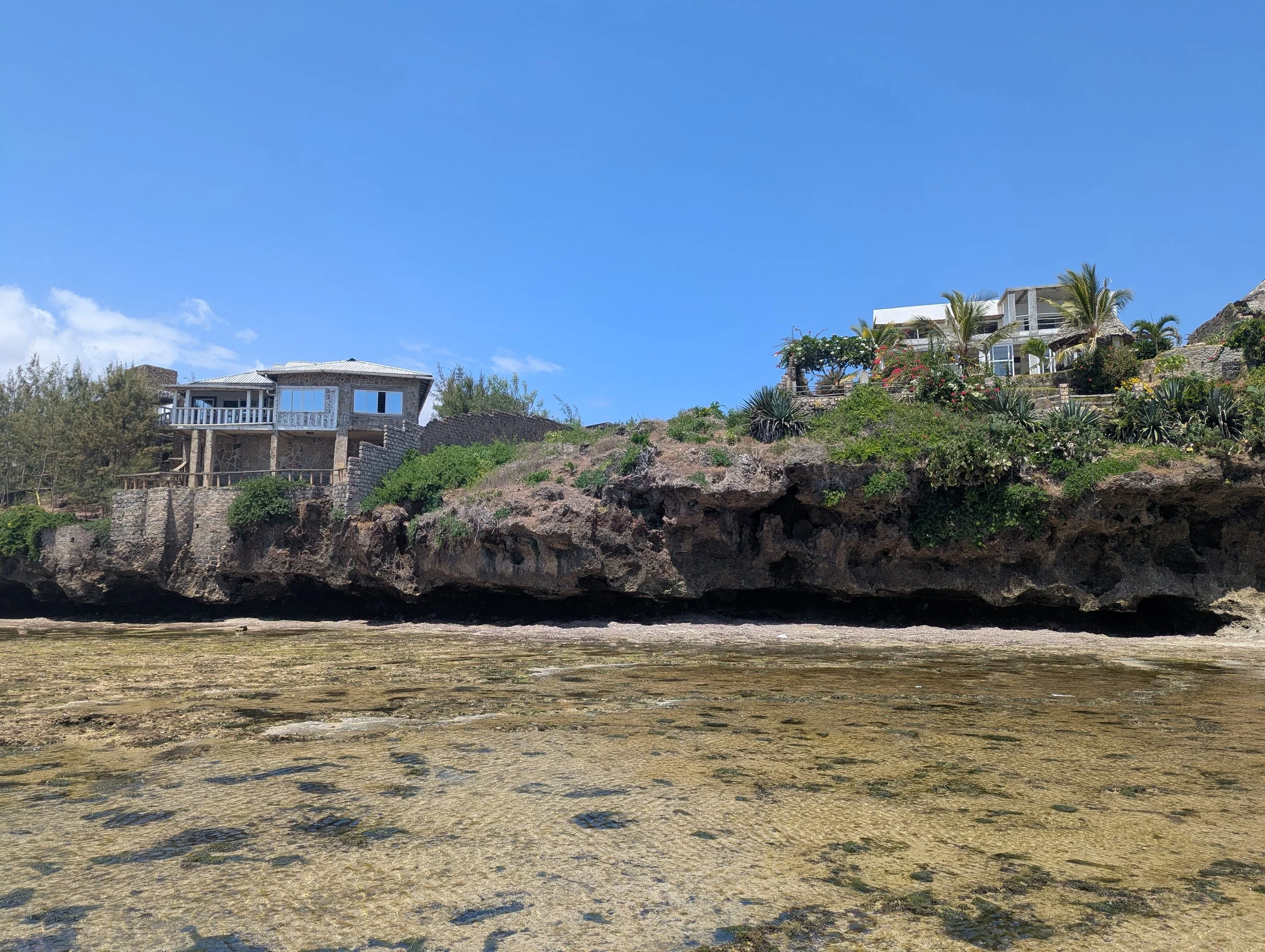
The caves at Mtwapa beach
Sip on a Coconut at Mama Ngina Waterfront
On the southern tip of Mombasa Island, the Mama Ngina Waterfront is a pleasant, breezy boulevard with sweeping views of the sparkling blue Indian Ocean. Dotted along the waterfront are some old lighthouses and ruins of fortifications, contrasted with a golf course on the other side. There are also plenty of restaurants offering fresh seafood, and street vendors selling ice cream and coconuts. The ocean breeze is reason enough to visit here, an escape from the stifling city streets.
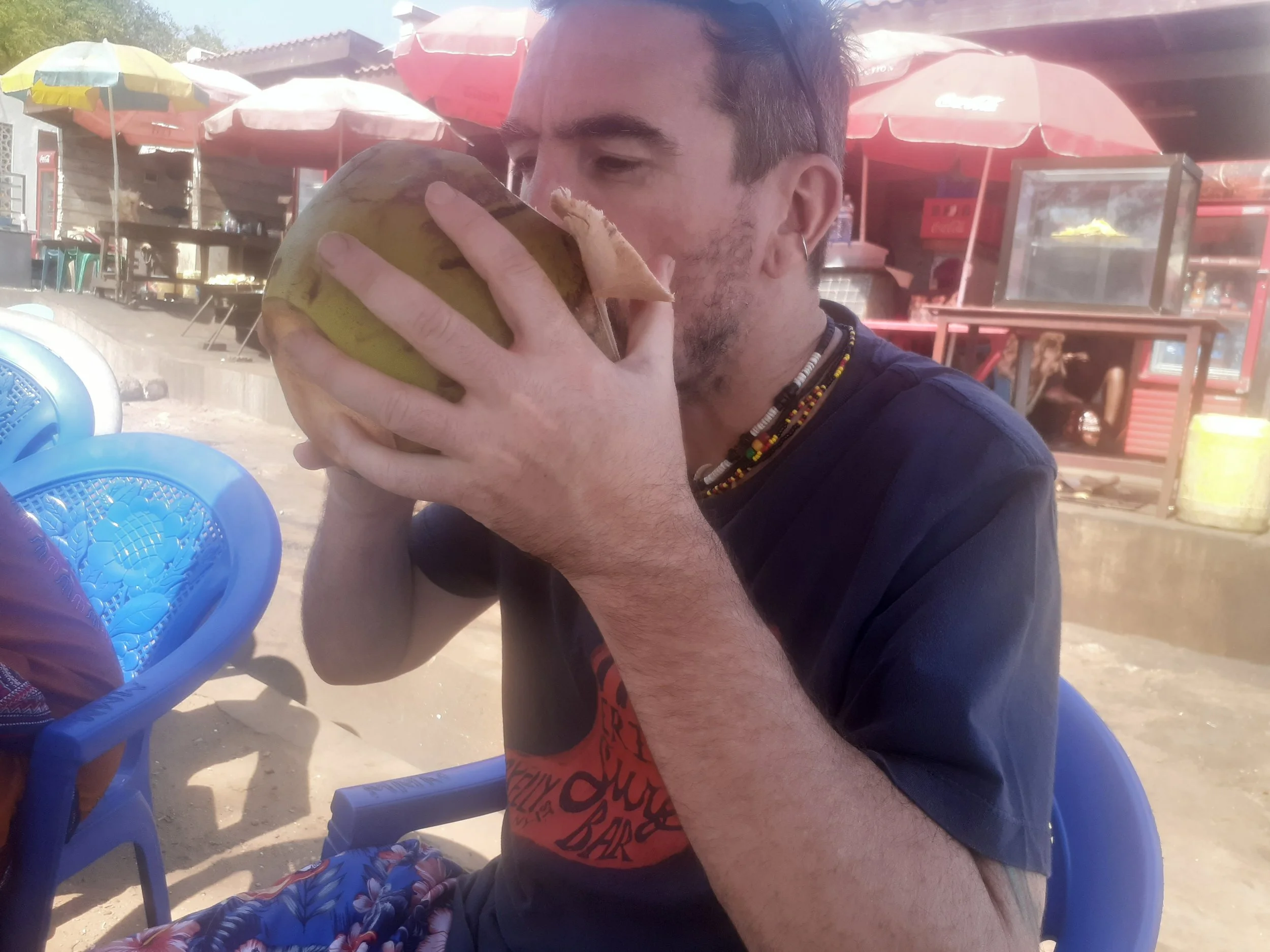
Sippin’ on a coconut
Ride the Ferry to Likoni
Departing from the docks at Mama Ngina Waterfront, the ferry to Likoni is a cheap and fun trip to make. While there is little to do on the other side, the ride itself is the experience, as you are packed in with hordes of other passengers and cars. There are some nice views and photo opportunities from the top deck and it’s another opportunity to catch some sea breeze.
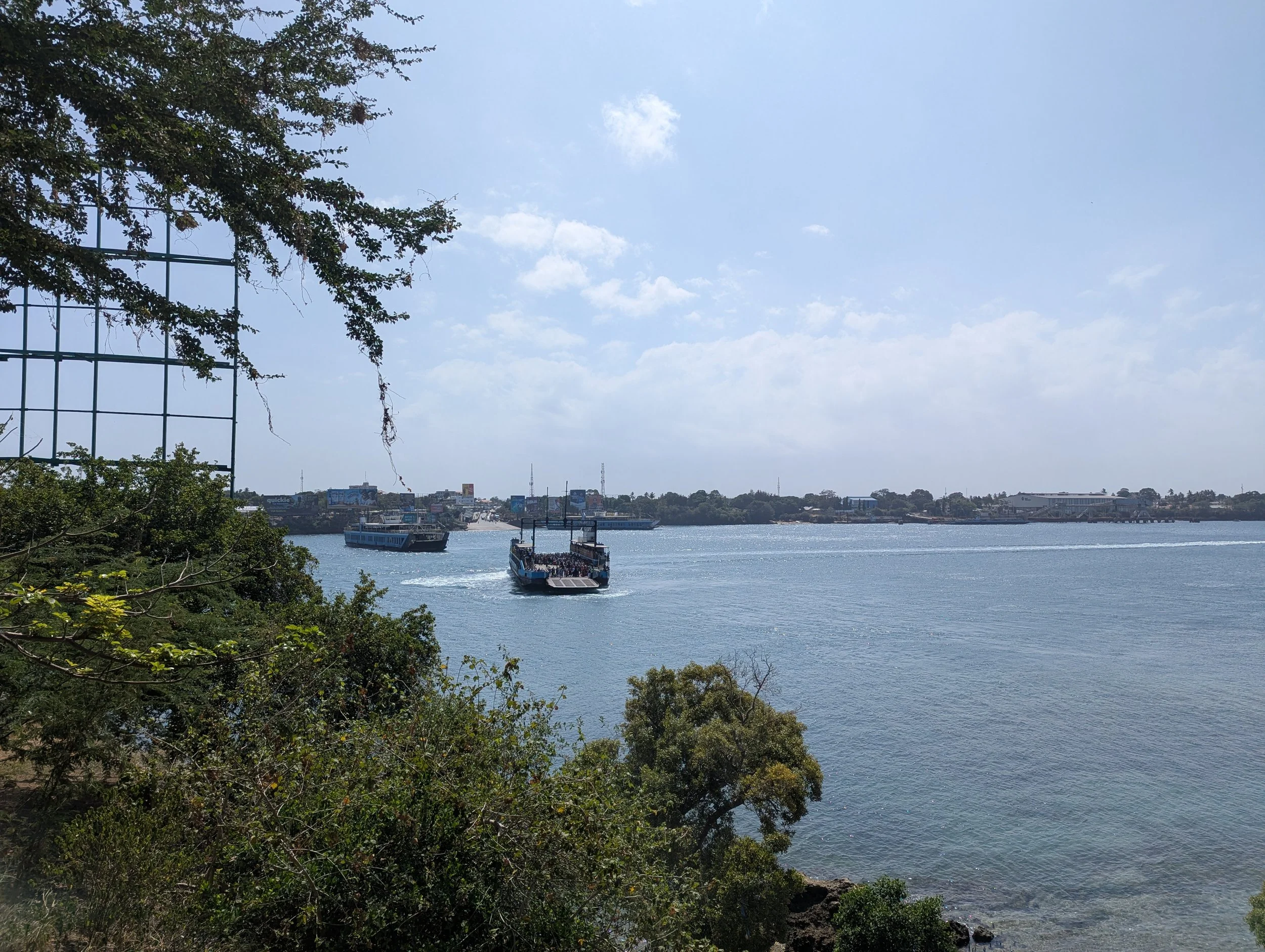
Ferrying across to Likoni
Watch Football at Dusk
Dawn and dusk are the best times of day in Mombasa, when the sharp rays of the sun are smoothed and dulled. It is during these early evening hours that you might catch a game of football in a local park. On dusty, grassless fields, in the shade of palm trees and baobabs, half pumped soccer balls are booted around as boys and men imitate their heroes in the European leagues.
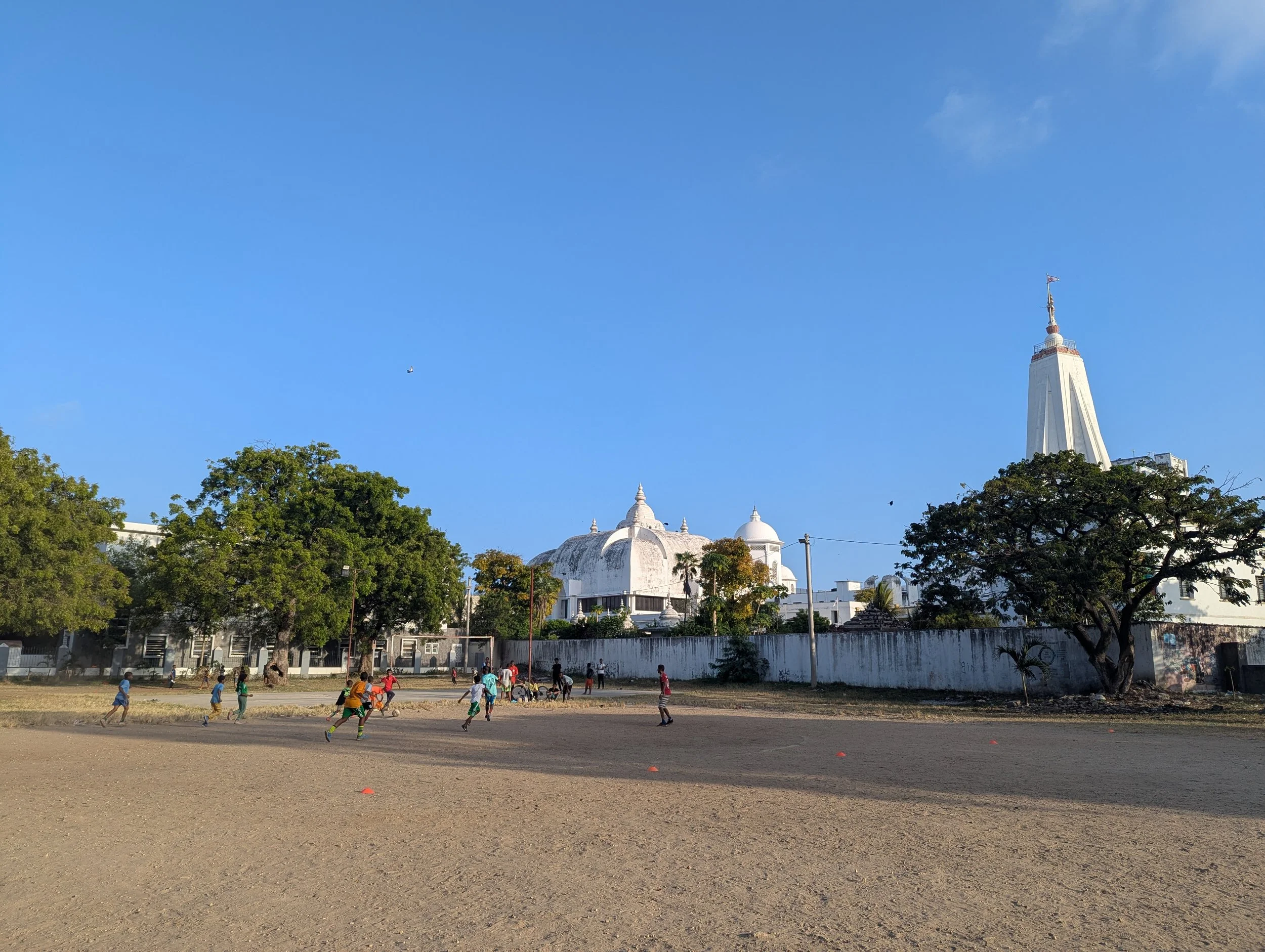
Future stars kicking up dust in Mombasa
If you enjoyed this article and would like to support travelonastustring, you can ‘buy me a coffee’ or donate directly via PayPal. Any donation, no matter how large or small, is appreciated and goes towards the running of my site.
To read more of my work visit the ‘publications’ tab, which includes a link to my book ‘Everything All of the Time,’ available on BookBaby or Amazon.