
World Tourism Day 2026: Spotlight on El Salvador
They say good things come in small packages, and Central America’s smallest country packs in more than most. Known as the ‘Land of Volcanoes,’ El Salvador is emerging as the newest Central American hotspot. With magnificent nature trails, year-round surfing, less crowded historical sites, and a rich culture, El Salvador has something for everyone, and this Central American jewel is shining bright in 2026.
Where The Streets Have No Name
El Salvador’s capital, one of the many inspirations for U2’s 1987 song, has shed its image as a gritty, downtrodden Central American backwater. San Salvador is now emerging as a key technology hub in the region, embracing Bitcoin, AI, and the wider digital economy. While this new focus is changing the face of the city, there is still plenty of traditional culture to explore, including the Palacio Nacional, Catedral Metropolitana, and the Museo de Arte de El Salvador and Museo Nacional de Antropología. The city’s colourful markets have a range of traditional handicrafts, and street food stalls offering local delicacies like pupusas, enchiladas, and tamales.
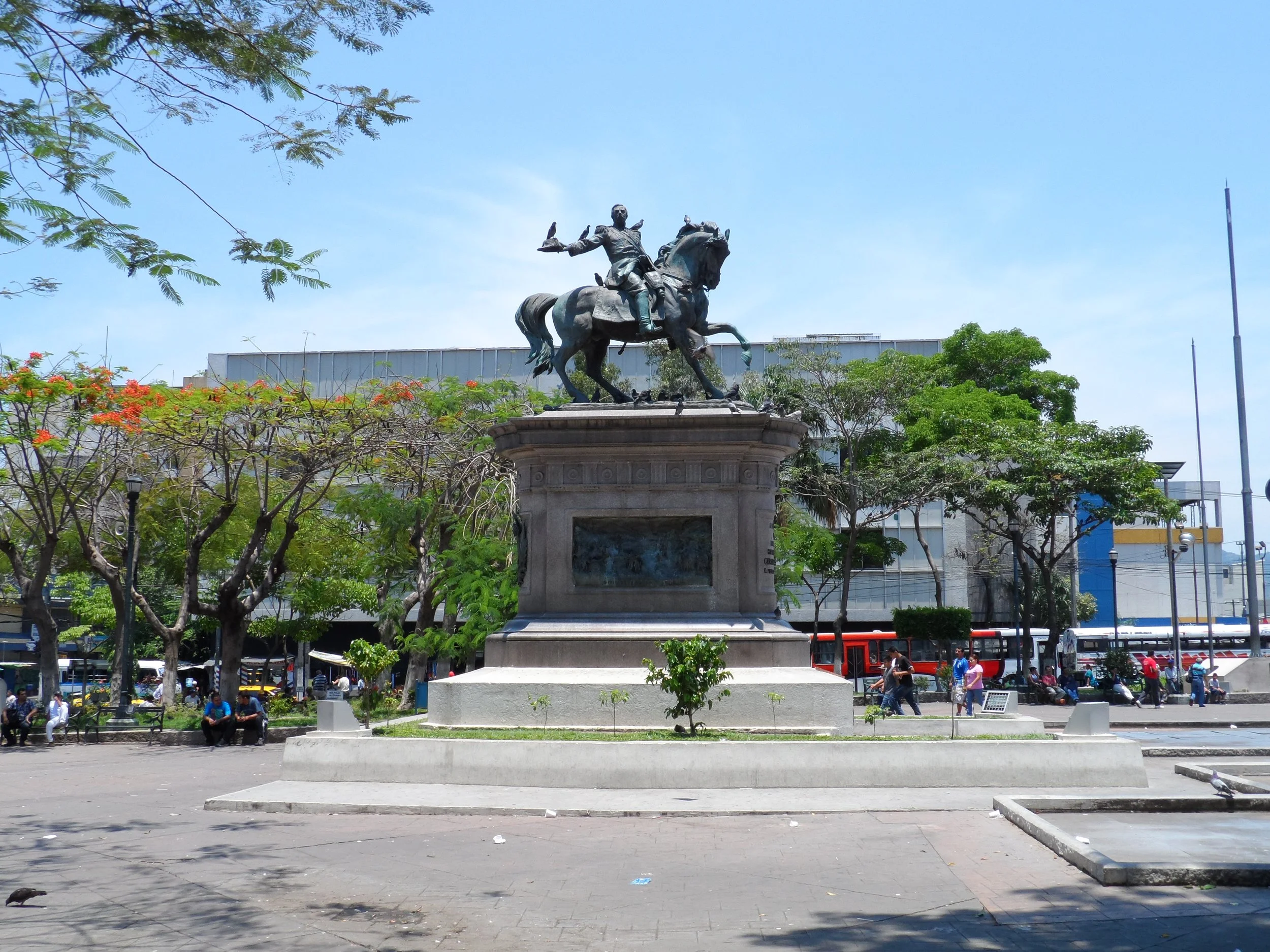
The historic centre of San Salvador (photo credit: James Merriman)
Hike on a Volcano
Ilamatepec, an hour from San Salvador, is not the highest volcano in El Salvador, though it may be the most beautiful. A four hour hike from the trailhead leads to one of the largest craters in the world, atop the breathtaking Santa Ana volcano. The striking turquoise crater lake attracts tourists from around the world, and following an eruption in 2005 the temperature of the lake increased. The eruption sent plumes of ash more than 10 kms into the sky, and volcanic activity is now regularly monitored. Other volcanic treks include Volcan de San Salvador (1,960 m / 3 hrs), and El Pital (2,730 m / 4 hrs), the highest point in El Salvador.
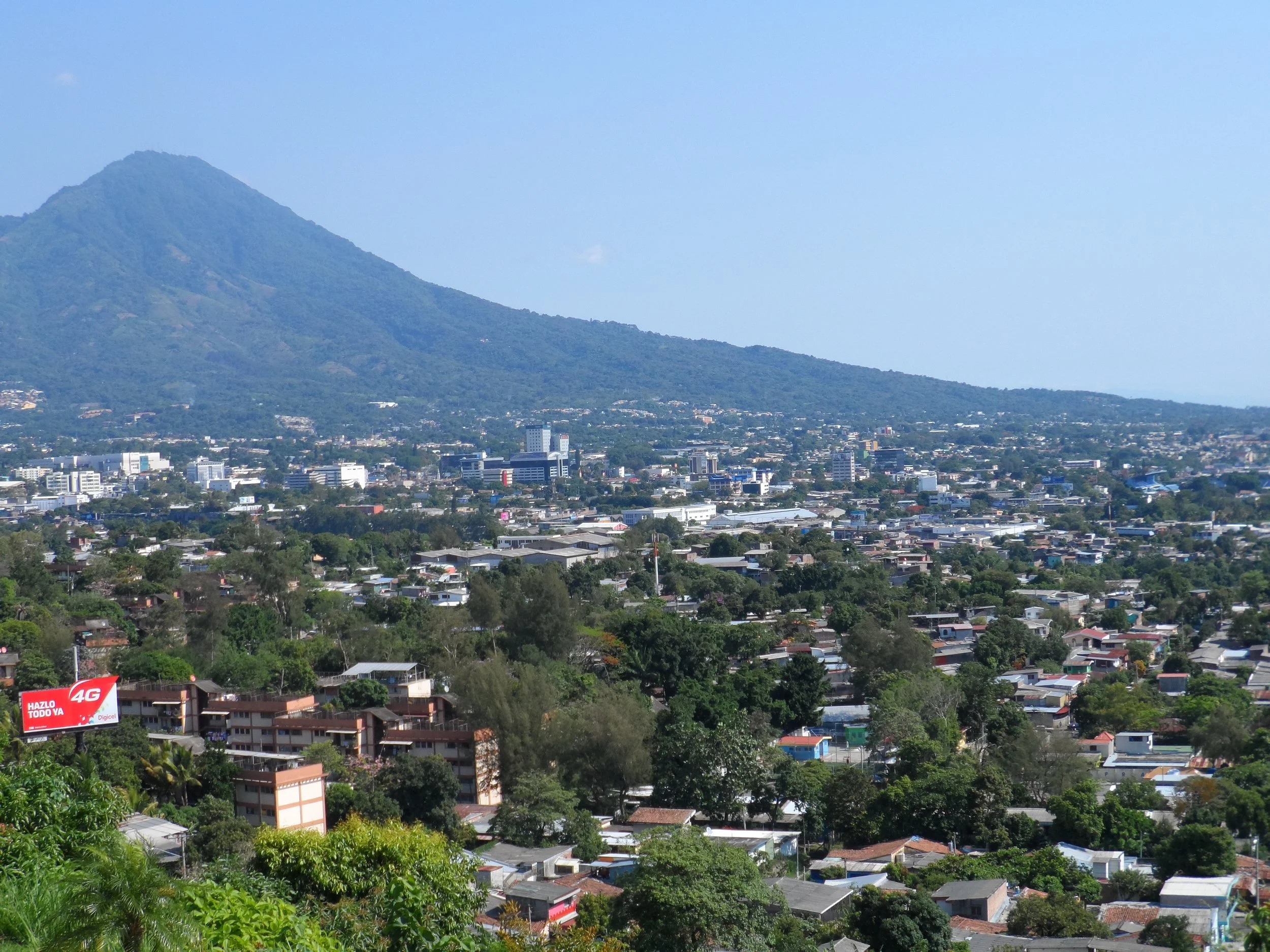
Volcanoes abound in El Salvador, even hovering over the capital (photo credit: James Merriman)
Santa Ana, the Second City
Volcanoes are not the only thing that explode in El Salvador (no, I’m not referring to guns - the crime rate in El Salvador has plummeted in recent years). In the late 19th century, a boom in the coffee trade saw Santa Ana emerge as El Salvador’s richest city. The influx of wealth from the surrounding hillside plantations resulted in the construction of the neo-Gothic masterpiece Catedral de Santa Ana, the elegant Teatro de Santa Ana, and the welcoming Parque Libertad. A 90 minute drive from the capital, Santa Ana is a worthy destination, and a comfortable base for exploring the surrounding area - and still boasts the best coffee in El Salvador!
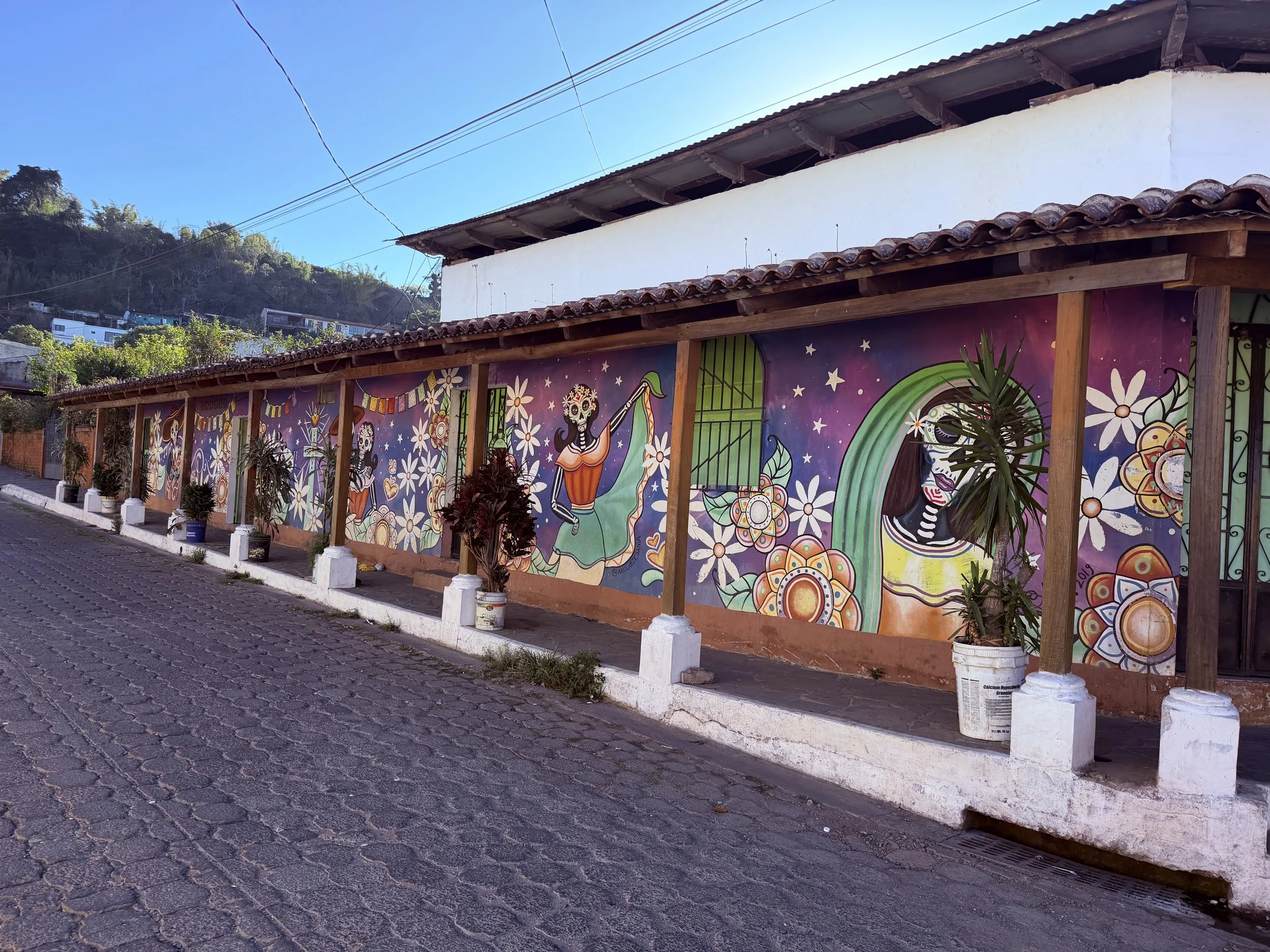
Street art in Santa Ana (photo credit: Martyn Dawes)
This Little Piggy Went Surfing
Ok, so you won’t be literally surfing with pigs, but El Salvador’s most famous surfing spot is known locally as El Tunco (The Pig), due to a submerged rock bearing an uncanny resemblance. Surfing has a long history in El Salvador, and though its popularity waned during the civil war (1979 - 1992), it has since emerged as one of the key lures for tourists. The season begins in March and runs through to October, after which time the swells subside and the beach bums head elsewhere. Although the parties continue, as the year round waves and sunshine ensure that beachside restaurants and nightclubs rarely see any downtime. Coastal communities and surfing spots are dotted all along the Salvadorian coast, from Mizata and El Zonte in the west, to Punta Mango and Las Flores in what’s known as ‘The Wild East.’
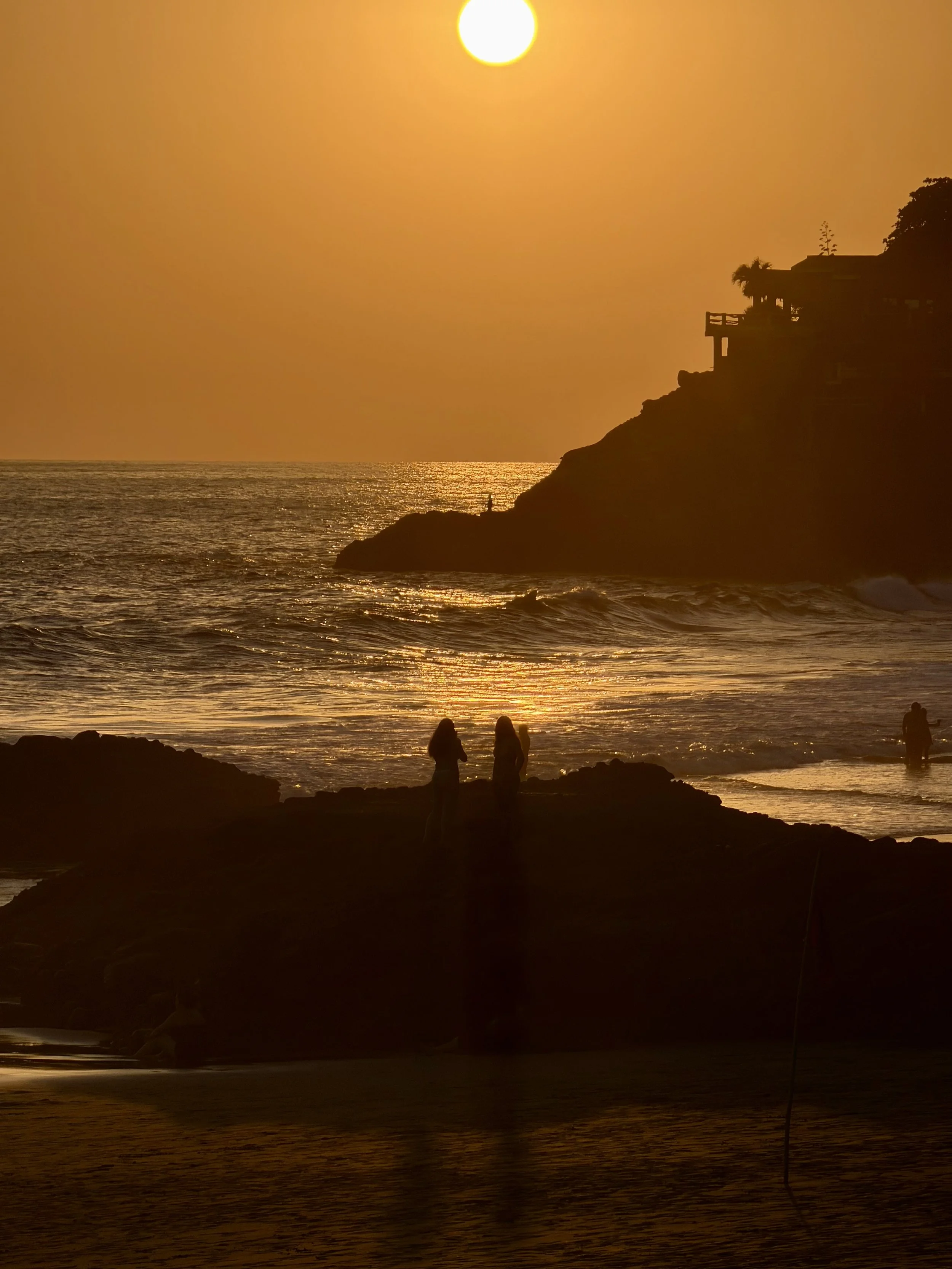
Sunset on the Salvadorian coast (photo credit: Martyn Dawes)
Discover Underwater Wonders
When the ocean calms at the end of the surfing season, it is time to explore El Salvador’s underwater attractions. With the largest coral reef on the Pacific Coast, there is so much to explore in El Salvador’s underwater kingdom.
The wreck of SS Douglas lies on the ocean floor, having sunk in 1890, overloaded with a shipment of coffee. Such was the boom in coffee that it was even sinking ships. Surrounding the wreck swim stingrays and eels, while sparkling schools of angel and parrot fish see the ocean burst with colour. November is also the time to try whale spotting, as pods of humpbacks migrate past the coast. Meanwhile, hawksbill and ridley turtles frequent the shores, and visitors can join tours to watch their hatchlings take their first tentative steps into the vast waters of the Pacific Ocean.
Explore Mayan Ruins
The unassuming Joya de Cerén (Jewel of Ceren) is located halfway between San Salvador and Santa Ana, and is El Salvador’s most popular Mayan ruins. Rediscovered in 1976, its preservation owes to centuries of overgrown forest that engulfed the buildings following a volcanic eruption some 1400 years ago. While El Salvador’s Mayan ruins do not compare with those of Mexico, Costa Rica, and Guatemala, if you want a taste of Mayan culture and don’t want to jostle through crowds, these are a nice alternative. After Joya de Cerén, pay a visit to the nearby San Andres, while Tazumal, 80kms northwest of the capital is perhaps the most impressive in the country.
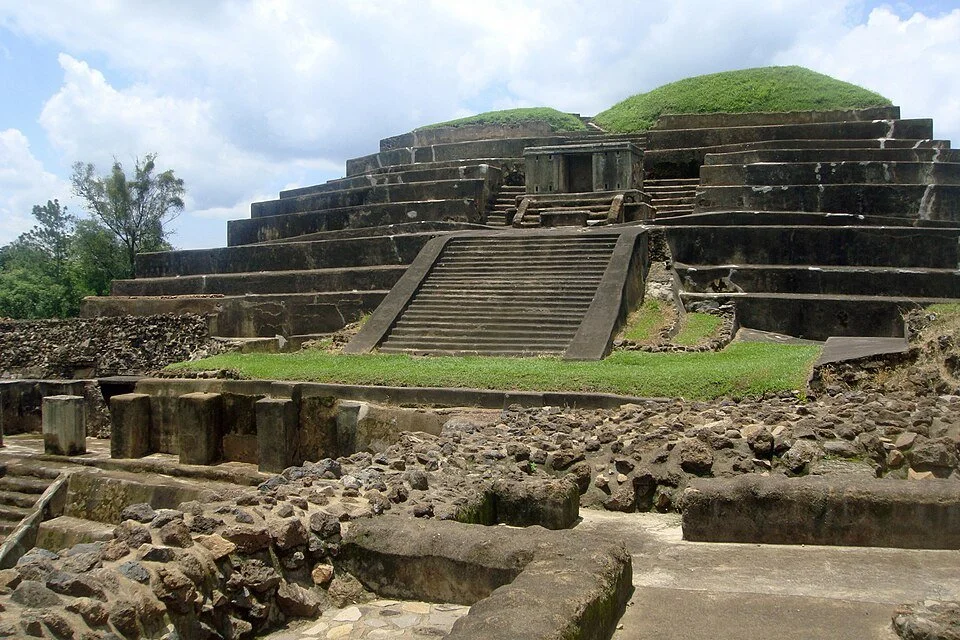
The Tazumal Ruins of El Salvador
For the latest travel information on El Salvador, visit https://elsalvador.travel/about-el-salvador/en/
Thanks to Martyn Dawes and James Merriman for the use of their photos, you can check out their work at Home | Martyn Dawes Travel and Travel Writing and Documentary Photography | James Merriman.
If you enjoyed this article and would like to support travelonastustring, you can ‘buy me a coffee’ or donate directly via PayPal. Any donation, no matter how large or small, is appreciated and goes towards the running of my site.
To read more of my work visit the ‘publications’ tab, which includes a link to my book ‘Everything All of the Time,’ available on BookBaby or Amazon.